Safety – a matter of being prepared
At Scandic, we have safety at heart. We are prepared if an emergency occurs and all our hotels have a defibrillator. Among our team members at the hotels, there is at least one person who is trained in heart and lung resuscitation (CPR). Escape routes and fire equipment are checked on a daily basis and our teams are trained continuously.
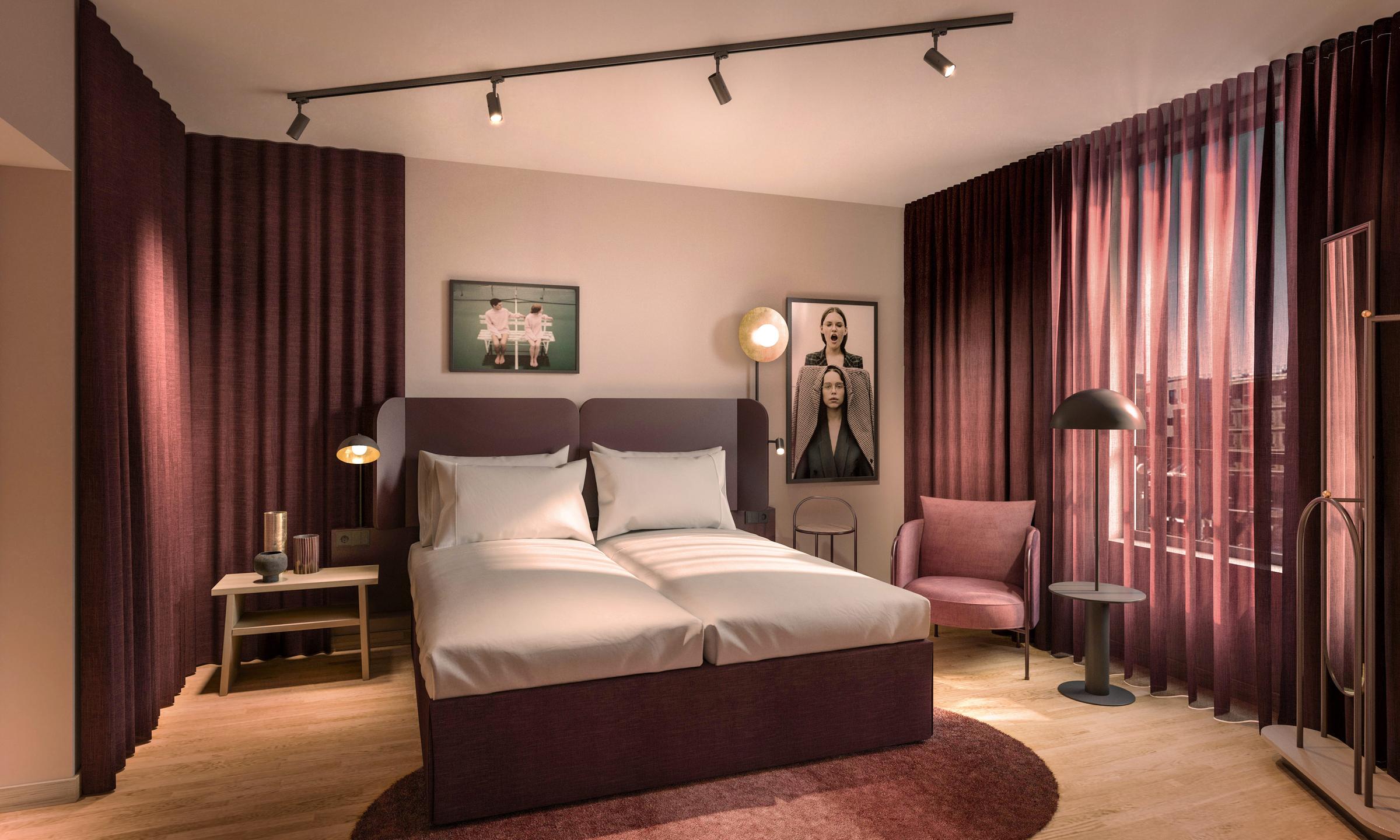
It's all about the details
- Remember never to block an emergency exit with your luggage or anything else.
- Look after your belongings. Remain alert and do not leave valuables unattended.
- If you have your car with you, empty it yourself.
- If you see anything that seems strange, tell someone who works at the hotel.
Being prepared is being safe
No guest or team member's safety must be put at risk – this is the core of Scandic's safety and security policy.
Our hotels should be a safe and secure place to stay and to meet. It’s all about being prepared and knowing how to react in an emergency situation. We strive to make our environment relaxed and secure. To always think of security as a natural part of our everyday life is something that doesn’t necessarily show. But when a situation comes up you can feel safe in knowing that we will take good care of our guests.
- Every day, we check the evacuation routes and that the fire equipment works properly.
- There is always at least one team member at the hotel trained in heart and lung resuscitation (CPR).
- At all our hotels we have a defibrillator available and team members who can manage it.
- Everyone who works at the hotel takes part in practical fire and evacuation drills at least twice a year.
- Each hotel has its own crisis group and they train biannually in conceptual training.
- We remain alert and use common sense to keep an eye out for things that seem out of place.
Safety Instructions
Once you have settled into your room – orient yourself and keep the following in mind:
- Study the evacuation plan located on the inside of the door.
- Locate the nearest emergency exit, such as stairwells leading outside.
- Count the number of doors between your room and the nearest exit—this helps you find your way even in the dark.
- Locate the nearest fire alarm call points and fire extinguishers.
If you discover a fire or smell smoke
- If the corridor is filled with smoke – stay in your room. Call 112.
- Always take your room key with you if you leave. You may encounter smoke and need to return to your room.
- If the fire is small and contained – use the fire extinguisher located in the corridor.
- If you cannot extinguish the fire, close the door to the room where the fire is located.
If the evacuation alarm sounds
- Leave the room if the corridor is clear of smoke.
- Take your room key and head to the assembly point via the nearest emergency exit.
- Never use the elevator.
If you cannot leave your room
- Call 112 and inform them that you are still in your room; provide your room number.
- Seal ventilation vents and door gaps with wet towels.
- Stay low. Visibility and air quality are best near the floor in a smoke-filled room.
First Aid
- AED (Defibrillator) and first aid equipment are located at the reception.